
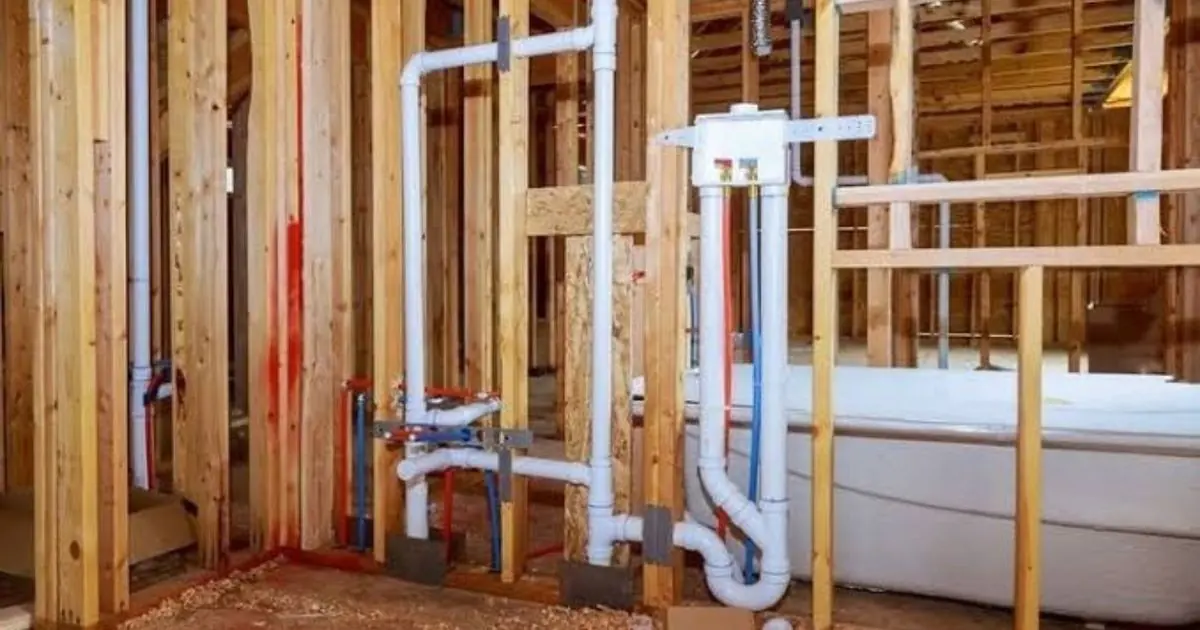
Every shower has four parts you rely on: a valve that mixes hot and cold, a supply pipe to the showerhead, a drain with a trap, and a vent that lets the drain breathe. When something goes wrong, the symptom tells you which part is at fault. A drip from the showerhead is a valve problem. A slow drain is a trap or line problem. A cold-only or hot-only shower points to the valve cartridge.
The valve and the cartridge
Behind the handle is a valve body with a cartridge. The cartridge mixes the water, and a pressure-balancing or thermostatic design keeps the temperature steady when someone flushes a toilet. Over time, the cartridge wears out, and the symptoms are drips, a handle that is hard to turn, or a shower that goes scalding. Replacing the cartridge from the front of the wall is often possible without opening tile.
| Symptom | Likely cause | Fix |
|---|---|---|
| Drip from the showerhead | Worn cartridge or valve seat | Replace the cartridge |
| Water only hot or only cold | Failed cartridge or mixing valve | Replace the cartridge |
| Temperature swings | Worn pressure-balancing cartridge | Replace |
| Weak spray | Clogged showerhead | Soak and clean |
| Slow drain | Hair and soap in the trap | Clear the trap |
| Gurgling when the shower drains | Vent or main line problem | Plumber diagnosis |
The drain, trap and vent
The shower drain connects to a trap, a curved section that holds water and blocks sewer gas. A vent pipe lets air into the system so the water flows. If the vent is blocked, the shower drains slowly and gurgles. Hair is the most common cause of a slow shower drain, and a small hand snake clears it.
If a tub and a sink next to it are both slow, the blockage is deeper, and the drain cleaning page explains what that means.
Leaks behind the wall
Signs of a hidden shower leak
- A stain or bulge on the wall or ceiling near the shower.
- Loose or cracked tile and soft grout.
- A musty smell in the bathroom.
- A water bill that rose without explanation.
- A damp floor outside the shower that does not dry.
A shower pan or a supply connection can leak for months before the damage shows. Shutting off the shower and watching the meter helps tell you whether the water is from the supply. A pan leak may need a flood test, and a plumber can do that. Our leak detection page explains how we narrow a hidden leak.
Remodel planning: rough-in matters
If you plan to replace a shower, decide on the valve and the showerhead before the walls close, because the rough-in depth depends on the trim. A tub or shower replacement also needs a permit in Kirkland, as noted below. If the existing drain is old cast iron or the vent is undersized, a remodel is the time to fix it, since opening a finished wall later costs far more.
When to call a plumber
Call when the shower will not shut off, when you see signs of water behind the wall, when drains are slow after a clearing attempt, or when you plan to move the valve or drain. A cartridge swap or a clogged showerhead is within reach of a handy homeowner. Anything that involves the drain, the vent or the supply behind finished walls deserves a licensed plumber. Our 24/7 line is open if water is escaping.
Water pressure, temperature and the water heater
A shower that runs cold after a few minutes may not be a shower problem. A small water heater, a failing element or a tankless unit that is undersized can all run out of hot water mid-shower. If other fixtures behave the same way, the heater is the suspect, and our water heater repair page explains the likely causes.
Low pressure at the shower only often means a clogged showerhead, scale in a handheld hose, or a partly closed stop. Low pressure everywhere points to the house supply. A plumber with a pressure gauge settles the question in a few minutes, and a pressure reducing valve that has failed can cause both too-high and too-low readings.
Choosing a valve for a new shower
Pressure-balancing valves keep the temperature steady when pressure changes. Thermostatic valves let you set an exact temperature and hold it. Both are good choices, and the decision usually comes down to budget and how many outlets the shower serves. A body spray or a second showerhead may need a diverter and a larger supply line, which is another reason to plan before the walls close.
Shower valves, drains and traps are regulated by the Uniform Plumbing Code (UPC) as adopted in Washington, and tub and shower replacement is on the Kirkland permit-required list, so ask your plumber about the permit before a remodel starts.
Kirkland note: permits and older bathrooms
The regional permit table notes that tub and shower replacement does require a permit, even though simple fixture replacements without line changes do not. That list is the regional guide, and the City of Kirkland's plumbing permit line is (425) 587-3600 if you want to confirm for your project.
Many Kirkland homes in Juanita, Finn Hill and Kingsgate date from the 1960s through the 1980s, and some bathrooms still have original shower valves and galvanized or early copper supply. A remodel is the best moment to update them. In Redmond, check with the City and see our Redmond page.
Shower plumbing questions
A worn cartridge or valve seat. Replacing the cartridge usually stops it.
Many homeowners do. Shut off the water, note the model and use the correct replacement. Call a plumber if the valve is behind tile or corroded.
The regional permit table says tub and shower replacement does require a permit. Confirm with the City.
Gurgling means air is trapped, often from a partial blockage or vent problem.
Look for stains, soft tile and odors, then test the meter. A plumber can use moisture meters and a pressure test.